Independent book guide
The 20 Best Books on Anxious Attachment, Limerence & Relational Healing
By The Anxious Mystic Editorial Team · First published May 24, 2026 · Updated July 19, 2026
This guide is written from lived experience of anxious attachment and from the books our editor reached for when the right framework mattered more than usual. Most entries come from firsthand, cover-to-cover reading—several more than once. A newly published title may be added provisionally after its released material and publisher record are evaluated; when that happens, the entry is labelled.
What you will find below: twenty books, grouped into five sections, with an honest review of each and a five-star spiritual fit rating that tells you whether the book treats contemplative or spiritual practice as central, adjacent, or absent. There is also a short decision guide below if you do not know where to start.
How this guide was made
This is an editorial reading list, not a clinical ranking. Books are assessed for relevance to attachment anxiety or limerence, clarity, practical usefulness, limits, and what they add beyond the other titles. The spiritual-fit score measures only how directly a book engages contemplative or spiritual ideas; it is not a claim about effectiveness.
No author or publisher paid for inclusion. Retailer commission availability does not affect the list, and provisional new-release assessments are visibly marked. Bibliographic facts are checked against publisher or ISBN records where available. This page is educational and does not diagnose or treat a mental-health condition. See the full affiliate disclosure.
What “anxious attachment” actually is
“Anxious attachment” is popular shorthand for elevated attachment anxiety. Although self-help books often sort people into styles, adult-attachment research commonly measures anxiety and avoidance along dimensions. Hazan and Shaver's 1987 study helped translate earlier infant-attachment work to adult romantic relationships. The label is not a clinical diagnosis, and prevalence estimates vary with the sample and measurement method, so this guide does not use a single “20 to 25 percent” population figure.
In adult relationships, higher attachment anxiety may look like fear of abandonment, over-investment, heightened attention to changes in a partner's availability, or difficulty settling while the relationship feels uncertain. A delayed text can feel much more consequential than it appears from the outside. These experiences vary in intensity and do not, by themselves, tell you why they are happening.
None of this is a character flaw or a fixed destiny. Early relationships can be one influence, but they are not a complete explanation, and attachment orientation can differ across relationships. Fraley and colleagues' relationship-specific measure is one useful example of that nuance. The books below offer frameworks and practices to consider; they do not promise a universal outcome or timeline.
The six essential books
If you read nothing else, start here. These six books cover the core adult-attachment frameworks, practical exercises, and Amir Levine's 2026 follow-up, Secure. Attached remains the clearest first step; the others make more sense once you have that vocabulary.
#1
AttachedThe New Science of Adult Attachment and How It Can Help You Find — and Keep — Love
by Amir Levine & Rachel Heller ·
If you've only read one book on attachment, it was probably this one — and that's not an accident. Levine and Heller translate fifty years of academic attachment research into clear, almost over-friendly language. The framework of anxious / avoidant / secure styles, the explanation of the anxious-avoidant trap, the practical scripts for communicating with a partner — it all started here for most readers. Light on spiritual context. Heavy on actionable. Still the right first book.
Best for: Total beginners. The book that introduced anxious attachment to the mainstream.
#2
SecureThe Revolutionary Guide to Creating a Secure Life
by Amir Levine, M.D. ·
Levine's first new book since Attached widens the frame from romantic attachment to what he calls a secure life. The published edition introduces Secure Therapy and Coaching, using case studies, questionnaires, and neuroscience-informed exercises across friendships, family, work, and self-relationship. It is a more expansive follow-up than a replacement for Attached: start with the earlier book for the vocabulary, then come here for Levine's newer argument that attachment patterns can change.
Best for: Readers who know the basic attachment styles and want to practice security across relationships, work, and daily life.
New for 2026. Publication details and scope were verified against Tarcher's publisher record; we will revisit its placement at the next full guide review.
#3
Anxiously AttachedBecoming More Secure in Life and Love
by Jessica Baum ·
Where Attached gives you the diagnosis, Baum gives you the work. She's a therapist who herself was anxiously attached, and the book reads with the warmth of someone who's been on the same side of the couch you're sitting on. Includes the Self-Full method — practical exercises for staying in your own body when a partner pulls away. The most-recommended modern follow-up to Attached and the right second book.
Best for: Readers who've already read Attached and want practical exercises to actually shift toward security.
#4
Wired for LoveHow Understanding Your Partner's Brain and Attachment Style Can Help You Defuse Conflict and Build a Secure Relationship
by Stan Tatkin ·
Tatkin's couples-therapy framework (PACT) blends neuroscience with attachment theory and a refreshing focus on what couples actually DO with each other day to day. The 'couple bubble' concept — that healthy partnerships need a private set of agreements about how the world is held at bay — is worth the whole book. Pragmatic, sometimes blunt, and aimed at people in the actual mess of a relationship rather than analysing one from the outside.
Best for: People currently in a relationship who want a couples-therapy lens, not a self-help lens.
#5
Hold Me TightSeven Conversations for a Lifetime of Love
by Sue Johnson ·
Johnson founded Emotionally Focused Therapy (EFT), one of the few couples therapies with serious research backing. This is the consumer translation. The 'seven conversations' structure gives you a literal script for talking to your partner about attachment fears without sliding into accusation. If you and a partner are stuck in the anxious-avoidant cycle and need a way out that doesn't require an EFT therapist, this is the book.
Best for: Partnered readers wanting structured conversations to break the pursuit-withdrawal cycle.
#6
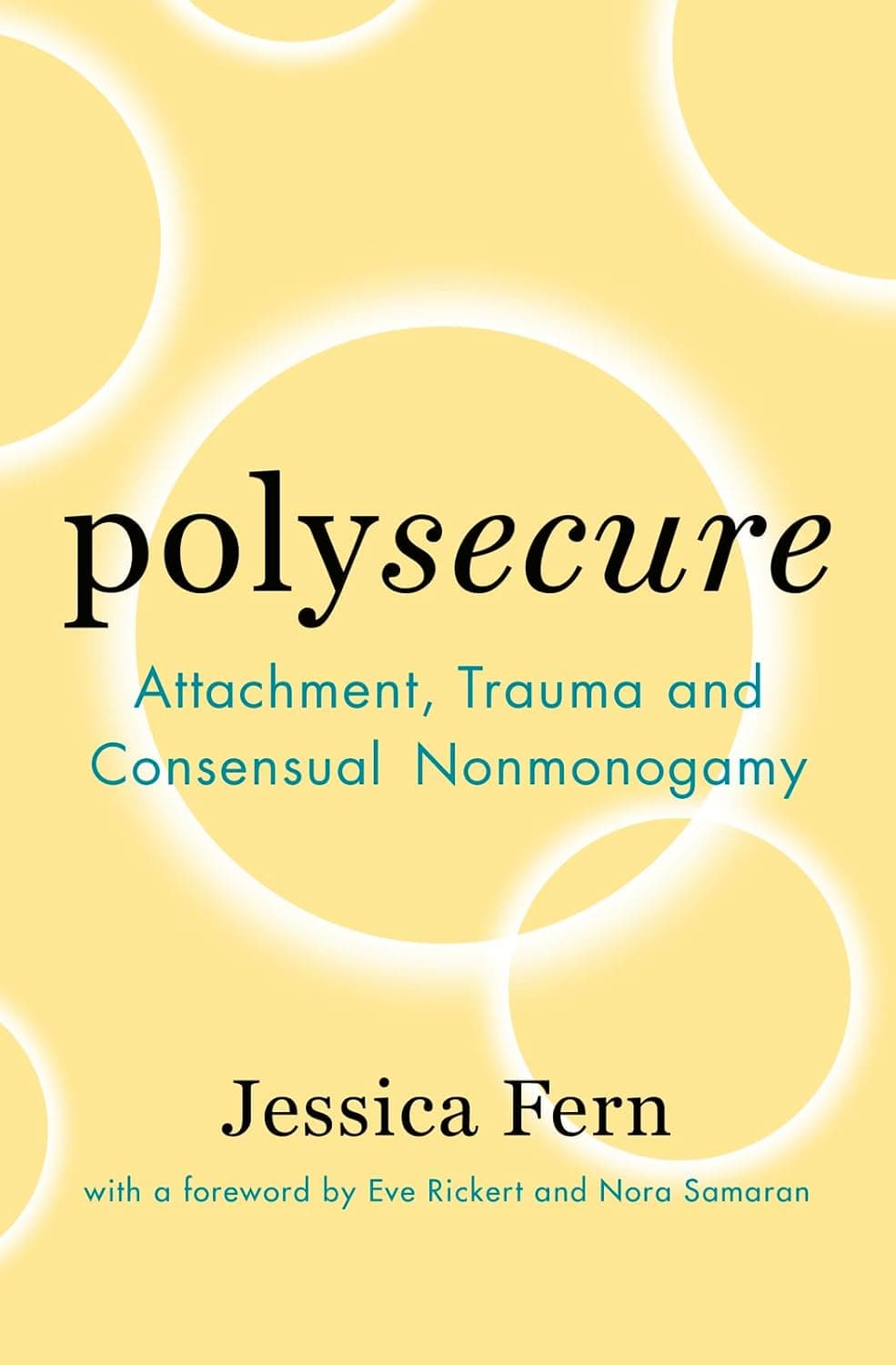
PolysecureAttachment, Trauma and Consensual Nonmonogamy
by Jessica Fern ·
Polysecure is doing two things at once: bringing attachment theory into non-monogamous relationships for the first time, and incidentally producing one of the clearest explanations of secure attachment for everyone else. Fern's HEARTS framework (Here, Expressed delight, Attunement, Rituals & routines, Turning towards after conflict, Secure attachment with self) is good practice regardless of relationship structure. Reading it as a monogamous anxious-attached reader is still genuinely useful.
Best for: Anyone outside the traditional couple model — and any reader who wants attachment theory updated for modern relating.
Books on limerence specifically
Limerence is Dorothy Tennov's term for an involuntary and often distressing state of intense romantic preoccupation. It can overlap with attachment anxiety, but the two are not interchangeable, and no representative study establishes how often they co-occur. These two books are the best place to begin.
#7
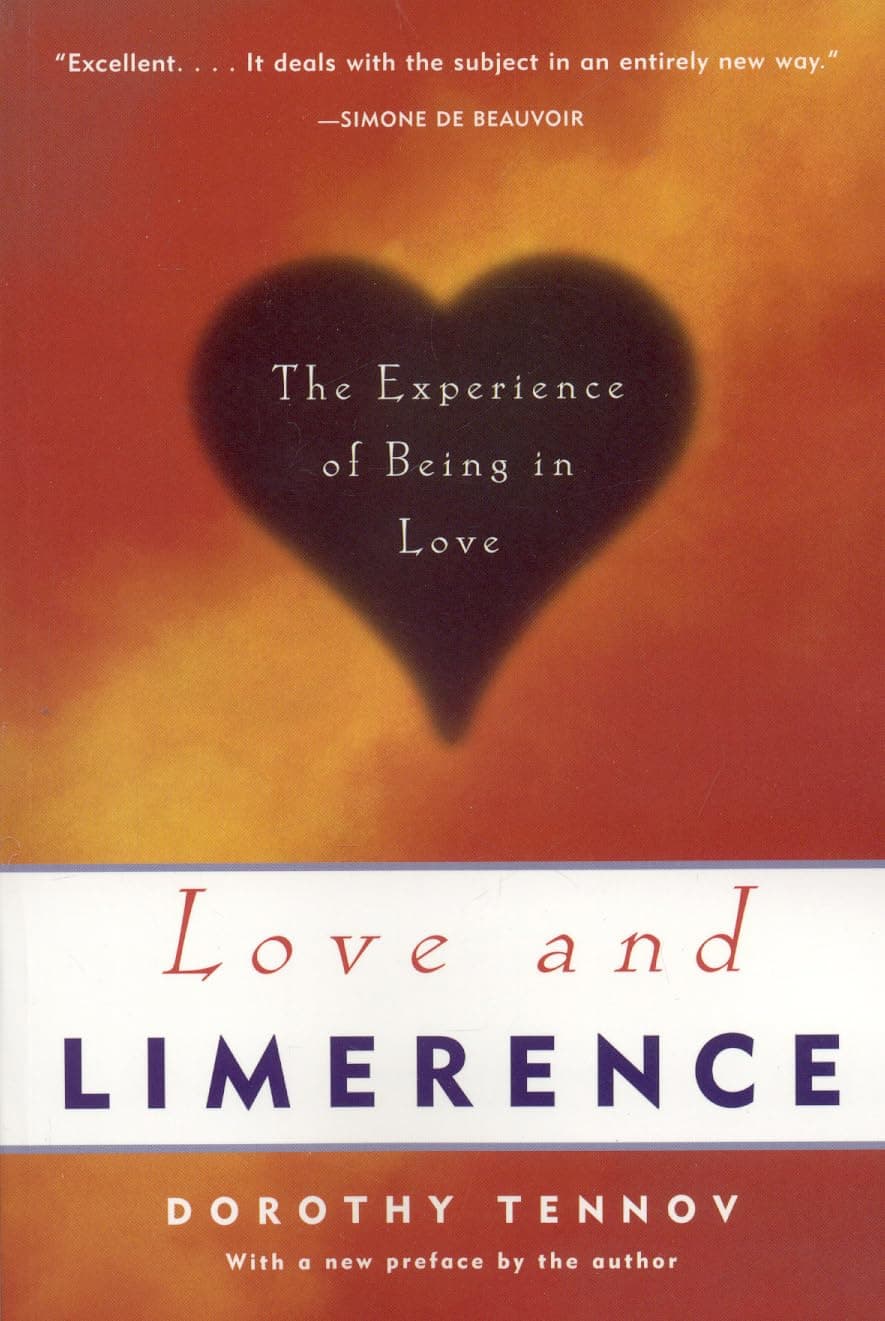
Love and LimerenceThe Experience of Being in Love
by Dorothy Tennov ·
Tennov coined the term 'limerence' in 1979 and this book is where she did it. She interviewed over 500 people about the involuntary state of intrusive obsession we now call limerence and produced the framework everyone has been building on for forty-five years. The language is academic but the observations are eerily, specifically accurate. If you've ever felt mad for being so consumed by someone, Tennov's catalogue of identical experiences from total strangers is itself a relief.
Best for: Readers who want to know what limerence IS before they learn to escape it. The source text.
#8
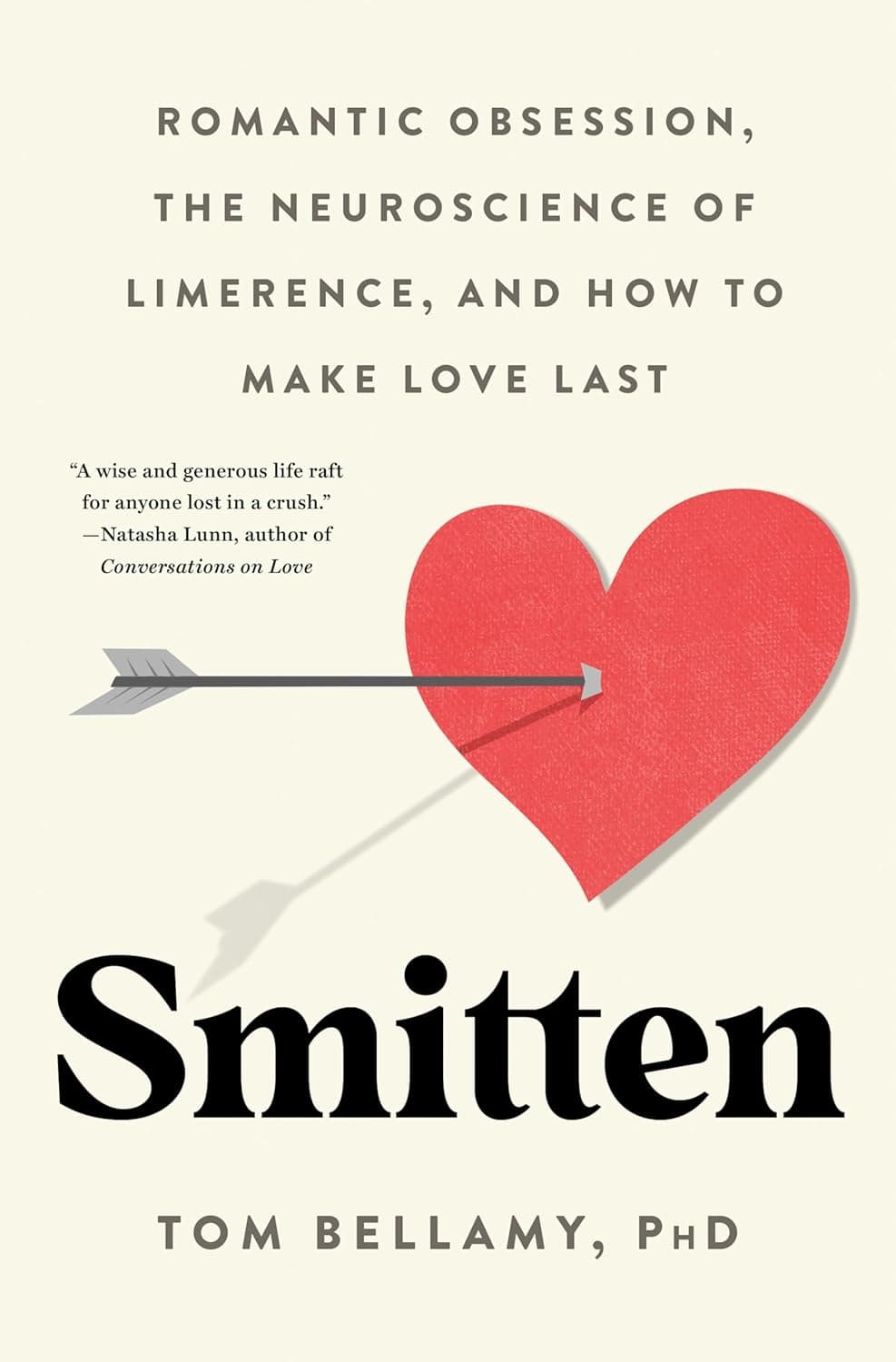
SmittenRomantic Obsession, the Neuroscience of Limerence, and How to Make Love Last
by Tom Bellamy ·
Bellamy runs livingwithlimerence.com, which has become the unofficial gathering place for people in the middle of a limerent episode. Smitten is what happens when he sits down to put fifteen years of writing and thousands of reader letters into one book. Where Tennov is the academic foundation, Bellamy is the practical guide — including, crucially, the part on how to actually starve a limerent attachment. The book most likely to make you feel sane.
Best for: Anyone currently limerent — or anyone who has been and wants to understand why.
Spiritual companions for the anxiously attached
Attachment theory comes from psychology. Lived from the inside, though, anxious attachment can also raise spiritual questions about uncertainty, self-compassion, and how to stay present without turning reflection into prediction. These five books speak to that contemplative side.
#9
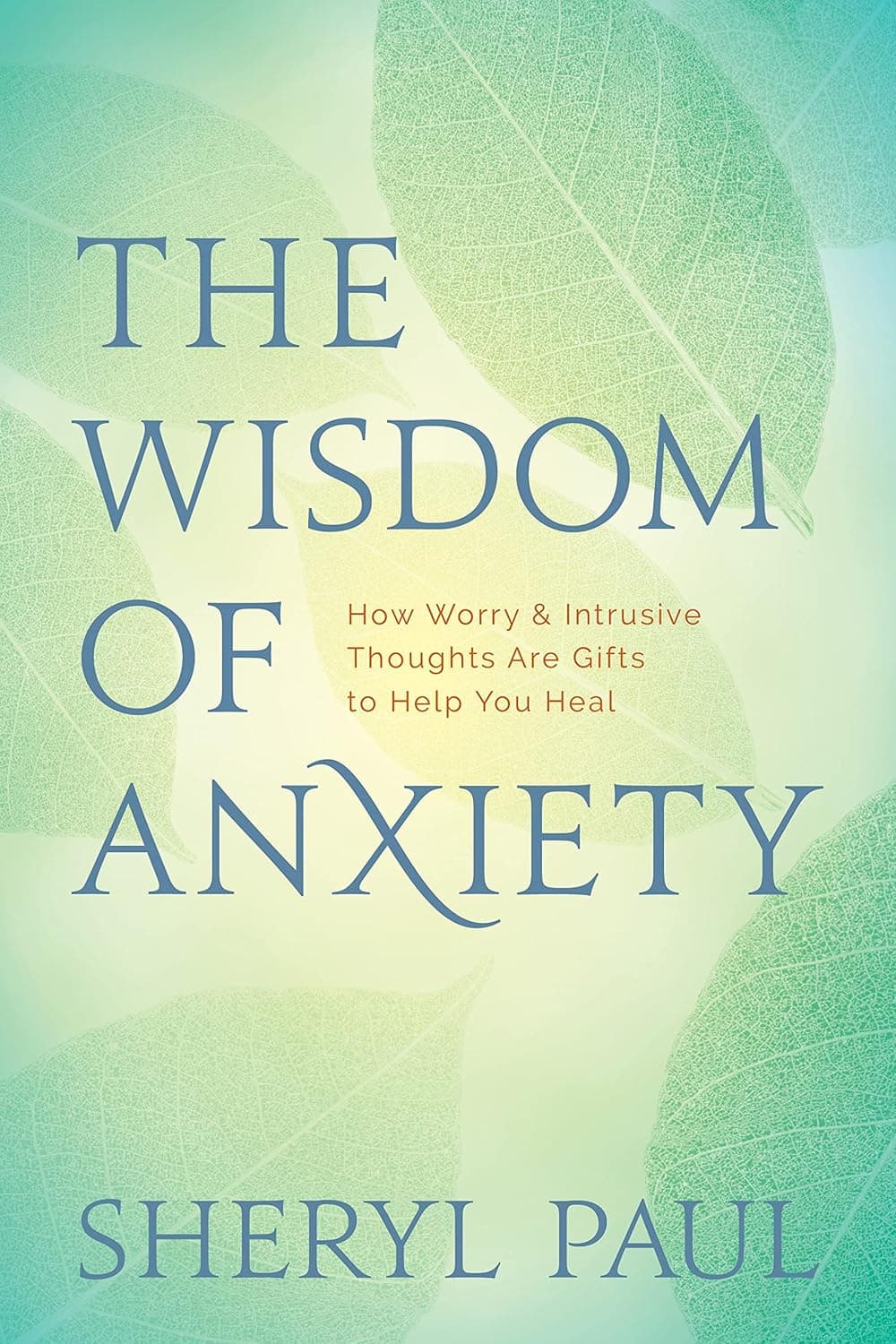
The Wisdom of AnxietyHow Worry and Intrusive Thoughts Are Gifts to Help You Heal
by Sheryl Paul ·
If a single book held up The Anxious Mystic's positioning to a mirror, this would be it. Paul reframes anxiety not as a malfunction to be silenced but as a messenger pointing to unaddressed grief, unmet needs, and parts of the self that have been exiled. The chapter on relationship anxiety alone is worth the cover price. Spiritual without being woolly — closer to depth psychology than to manifestation. Essential.
Best for: Anyone who wants their anxiety to mean something. The most on-brand book on this list.
#10
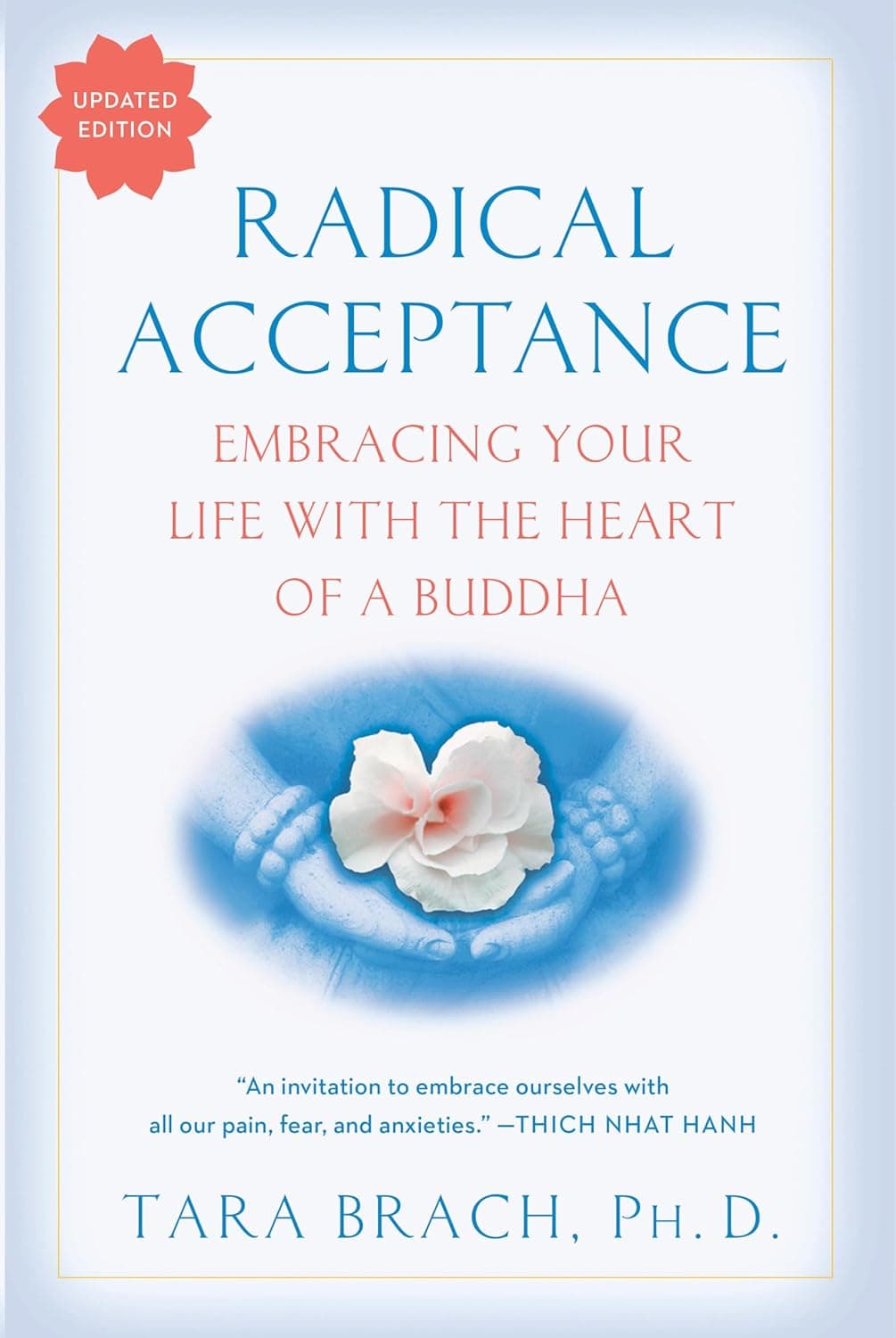
Radical AcceptanceEmbracing Your Life with the Heart of a Buddha
by Tara Brach ·
Brach is a clinical psychologist who became a Buddhist teacher — which is exactly the lineage you want for this material. Radical Acceptance introduces RAIN (Recognise, Allow, Investigate, Nurture), a practice that's become standard in trauma-informed mindfulness. For the anxiously attached, the chapter on the trance of unworthiness is the one to read first. Calming without being condescending. The closest the spiritual self-help shelf gets to a clinical workbook.
Best for: Meditation-curious readers and anyone who defaults to self-criticism in response to relational pain.
#11
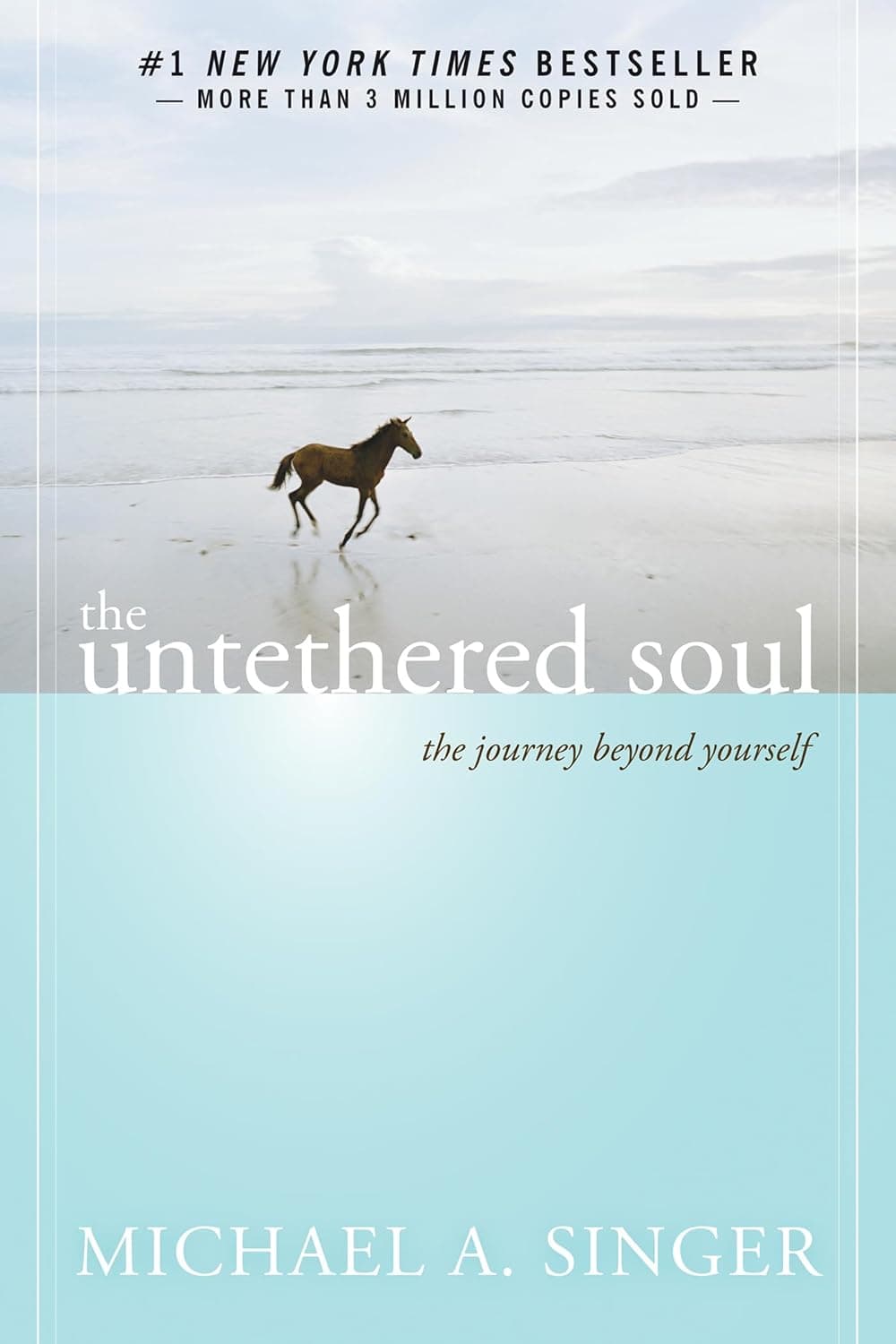
The Untethered SoulThe Journey Beyond Yourself
by Michael A. Singer ·
Singer's central move is small but profound: there is a part of you that notices the limerent thoughts, the anxious spirals, the relational panic — and that noticing-part is not the thoughts. Twenty years on, the book reads like a primer on the contemplative move that meditation traditions have been pointing at for centuries. For anxiously attached readers in the grip of intrusive thoughts about a partner, the reframe alone can be a doorway. Less practical than Brach. More expansive.
Best for: Spiritual-curious readers new to non-dual or witness-consciousness frameworks.
#12
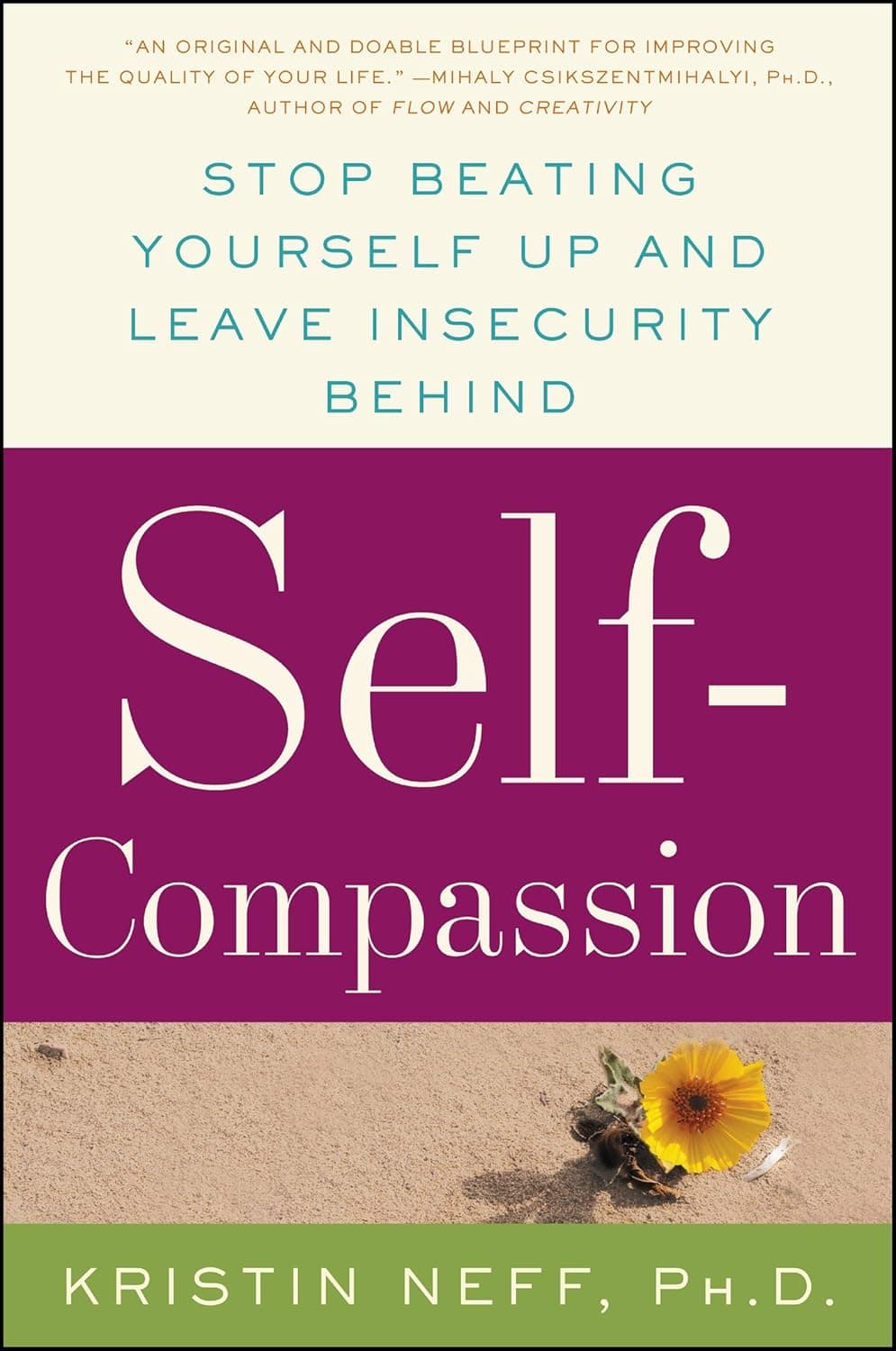
Self-CompassionThe Proven Power of Being Kind to Yourself
by Kristin Neff ·
Neff is the researcher who built the field of self-compassion as a measurable construct. The book is the bridge between contemplative practice and clinical psychology — three components (self-kindness, common humanity, mindfulness), all evidence-based. For anxiously attached readers whose internal commentary in a moment of perceived rejection runs in the register of 'something is wrong with me', this is the corrective. Quietly transformative. Pair with Brach for the contemplative half.
Best for: People who default to self-criticism when a relationship gets shaky.
#13
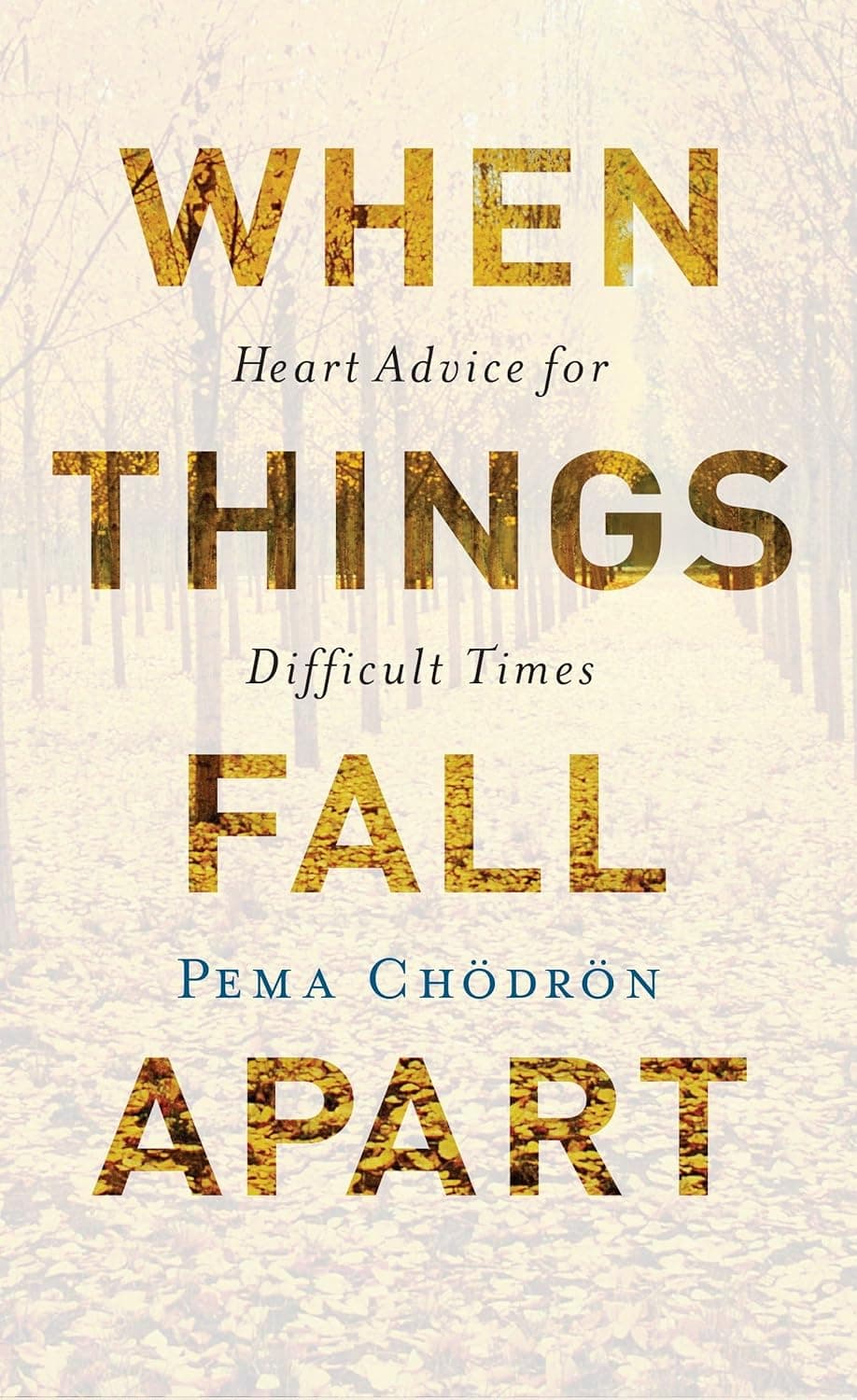
When Things Fall ApartHeart Advice for Difficult Times
by Pema Chödrön ·
Chödrön writes from a Tibetan Buddhist tradition and the book emerged from her own romantic devastation when her husband told her he was leaving. It's the rare spiritual book that meets a reader in the exact middle of the storm rather than after it's passed. The instruction is unromantic — don't try to escape the groundless feeling; let it teach you — and for anyone clutching at a relationship that's ending, it's the right voice to hear. Short chapters. Read one at a time.
Best for: Readers in active heartbreak.
The somatic and nervous-system books
Insight alone does not always change a pattern. Attachment anxiety is often felt in the body — chest tightness when a text goes unanswered, dread during uncertainty, or difficulty settling until contact returns. These three books add body-aware context and exercises to the cognitive frameworks above.
#14
The Body Keeps the ScoreBrain, Mind, and Body in the Healing of Trauma
by Bessel van der Kolk ·
Van der Kolk's book is on this list because anxious attachment is not just a mental pattern — it is a body that has learned to brace for a particular kind of loss. Body Keeps explains how early relational rupture is encoded somatically and why no amount of insight alone will undo it. The chapters on yoga, EMDR, and neurofeedback open doors that talk therapy alone cannot. Long, dense, worth the time.
Best for: Anyone who wants to understand why anxious attachment FEELS the way it does — in the chest, the gut, the breath.
#15
The Power of AttachmentHow to Create Deep and Lasting Intimate Relationships
by Diane Poole Heller ·
Heller trained under Peter Levine in Somatic Experiencing and is one of the few attachment writers who actually gives you practices to do in your body, not just frameworks to understand in your head. The exercises (felt-sense check-ins, attachment imagery, co-regulation practices) bridge the gap between knowing you have anxious attachment and shifting it. Pair with Attached for the framework or Body Keeps for the trauma context.
Best for: Readers who want exercises, not just theory — particularly somatic exercises for attachment work.
#16
Insecure in LoveHow Anxious Attachment Can Make You Feel Jealous, Needy, and Worried
by Leslie Becker-Phelps ·
Becker-Phelps's book is the underrated workhorse of this list. Less famous than Attached, more practical than most. The structure walks you through self-observation, identifying your specific anxious triggers, and concrete responses to those triggers. Less brand-new theory and more 'here is how to actually apply attachment science to next week'. If you want a quieter, more workbook-feeling companion, this is it.
Best for: Readers who want a quiet, workbook-style guide rather than a flashy bestseller.
Relationship and practice
Books for the work of actually being in relationship — or actively dating, or recovering from one. Less theory, more application.
#17
Loving BravelyTwenty Lessons of Self-Discovery to Help You Get the Love You Want
by Alexandra H. Solomon ·
Solomon teaches at Northwestern and her concept of 'relational self-awareness' is the spine of this book. The premise: you are bringing yourself into every relationship, and the part of you that gets activated in love is the part most worth understanding. For anxiously attached readers, the chapters on family of origin and the stories you've inherited about love land especially hard. Gentler than Attached. Better suited to between-relationship reflection.
Best for: People preparing for or rebuilding a relationship after one ended.
#18
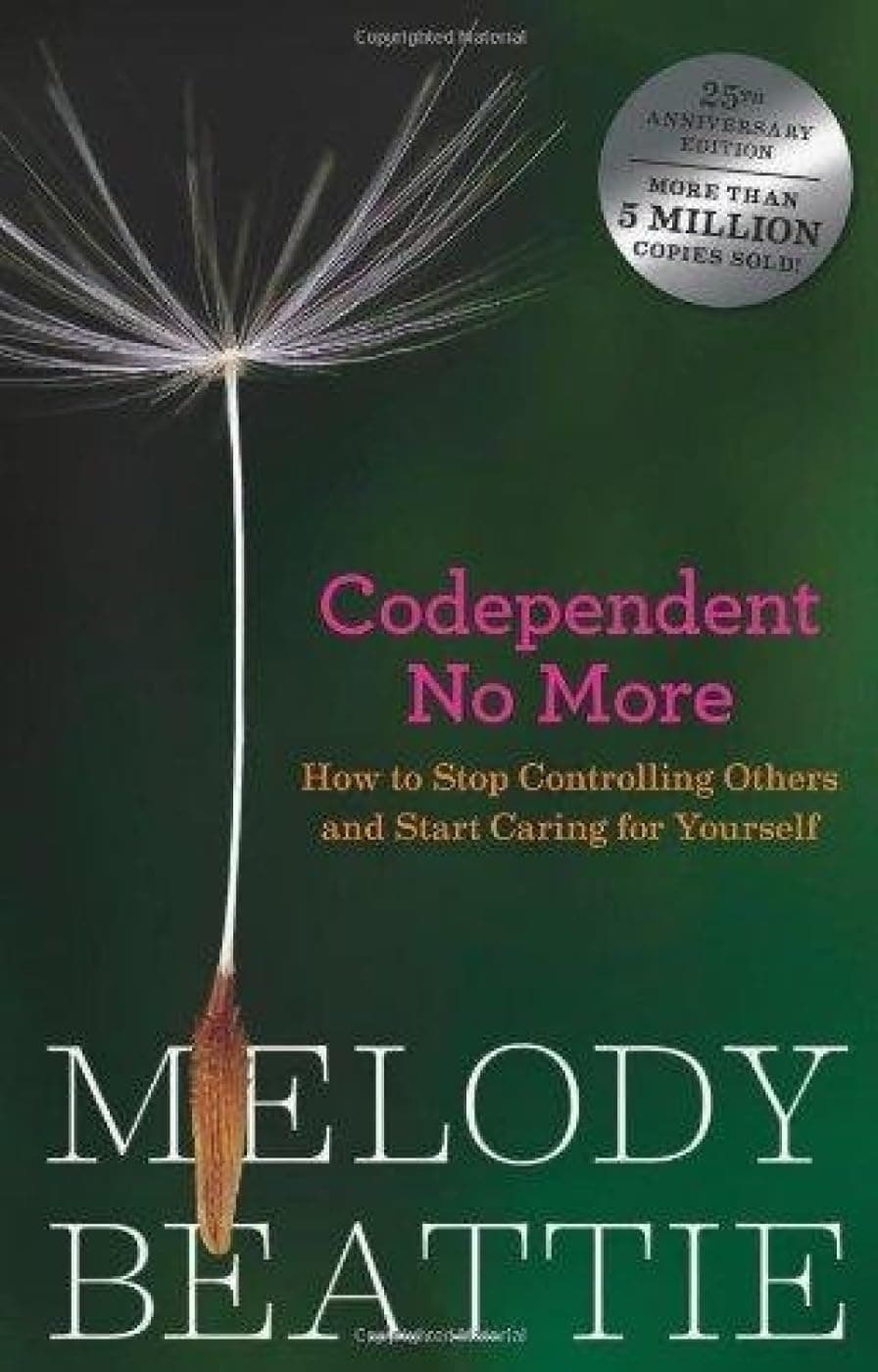
Codependent No MoreHow to Stop Controlling Others and Start Caring for Yourself
by Melody Beattie ·
Codependency and anxious attachment are not the same thing but they share substantial overlap — particularly the part where your inner state becomes entirely dependent on your partner's emotional weather. Beattie's classic, written from her own recovery, is older than most attachment literature but pre-dates and prefigures much of it. The detachment-with-love framework is genuinely useful for anyone whose anxious-attachment cycle includes a lot of caretaking, fixing, or rescuing.
Best for: Anyone who recognises the merging / loss-of-self pattern in their anxious attachment.
#19
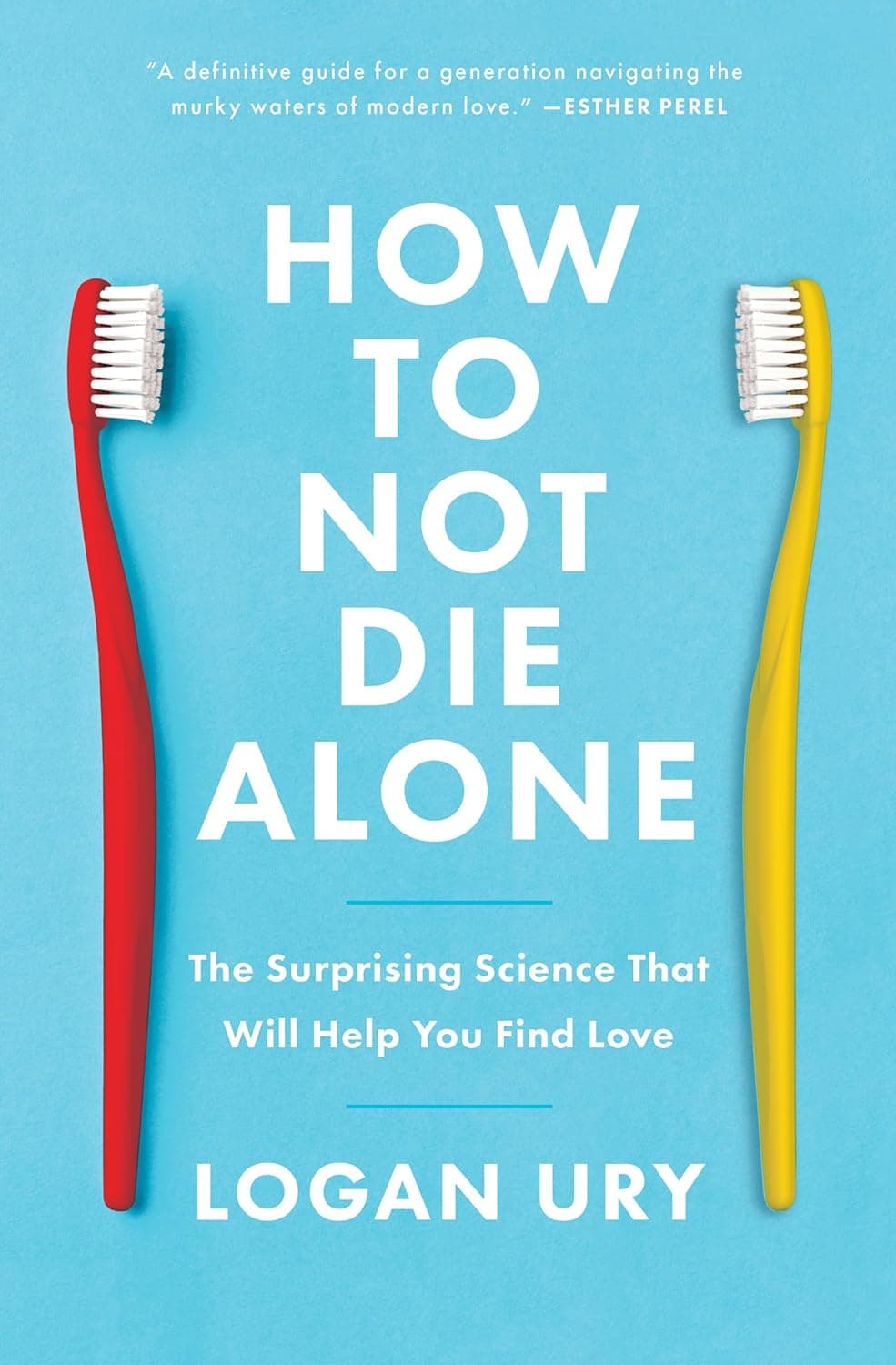
How to Not Die AloneThe Surprising Science That Will Help You Find Love
by Logan Ury ·
Ury is a behavioural scientist turned dating coach at Hinge, and her book is the most attachment-aware modern dating guide on the shelf. She names the anxious-avoidant trap explicitly and gives anxiously-attached readers permission to date for secure-leaning partners rather than chasing the familiar sparks of unavailability. Pragmatic, sometimes funny, lighter on spirituality than the rest of this list but solid where it matters.
Best for: Anxiously-attached readers actively dating.
#20
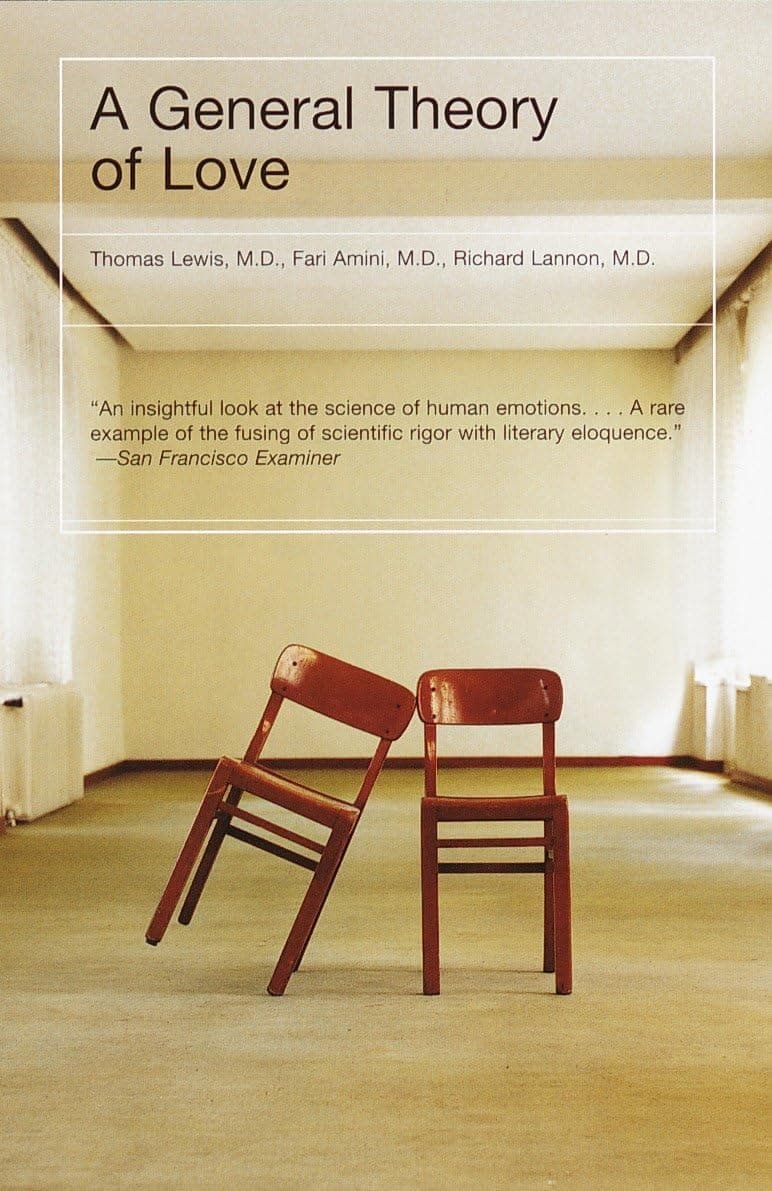
A General Theory of Love
by Thomas Lewis, Fari Amini & Richard Lannon ·
Three psychiatrists wrote this together over years, and it shows. The book is the most beautifully written thing on this list — and possibly on most lists. The premise that emotional life is structured by limbic resonance between human nervous systems sounds dry until they write it as prose, at which point it reads more like Annie Dillard than a psychology text. For anyone who wants to understand why love feels like a physiological event, this is the source.
Best for: Readers who want literature, not self-help. Three psychiatrists writing about the limbic basis of love.
Where to start, in one sentence
- Brand new to this work? Attached by Levine & Heller. Then Anxiously Attached by Jessica Baum.
- Know the basic styles and want the 2026 follow-up? Secure by Amir Levine.
- In the middle of a limerent episode? Smitten by Tom Bellamy. Right now.
- Want the spiritual lens? The Wisdom of Anxiety by Sheryl Paul.
- Want body-aware exercises, not just theory? The Power of Attachment by Diane Poole Heller.
- Heartbroken right now? When Things Fall Apart by Pema Chödrön. Read one chapter at a time.
Beyond books: tools for reflection
Books are not the only way to put a pattern into words. Use the journal when you need to separate an observable event from the story around it; use the spiritual collection when a symbol helps you ask a better question without becoming the answer.
Frequently asked
What is the best book on anxious attachment to read first?+
Is the book Attached actually worth reading?+
Are there spiritual books on anxious attachment?+
What is limerence and how is it different from anxious attachment?+
How long does it take to heal anxious attachment?+
Are these affiliate links?+
Sources and review record
Claims in the introduction were checked against the research below. Book titles, dates, and edition details are checked against publisher pages or ISBN records where available; the rankings and reviews are our editorial judgments, not publisher endorsements.
- Hazan, C. & Shaver, P. (1987), “Romantic love conceptualized as an attachment process”.
- Fraley, R. C., Heffernan, M. E., Vicary, A. M. & Brumbaugh, C. C. (2011), “The Experiences in Close Relationships—Relationship Structures Questionnaire”.
- Tarcher / Penguin Random House, official publisher record for Secure by Amir Levine, M.D. (published April 14, 2026; ISBN 9798217179817).
First published May 24, 2026. Content and sources last reviewed July 19, 2026.
Looking for more? Back to the homepage, or read about who is behind this site.